
Events
CLEETS Spring School 2026
Wednesday, 15 April, 2026
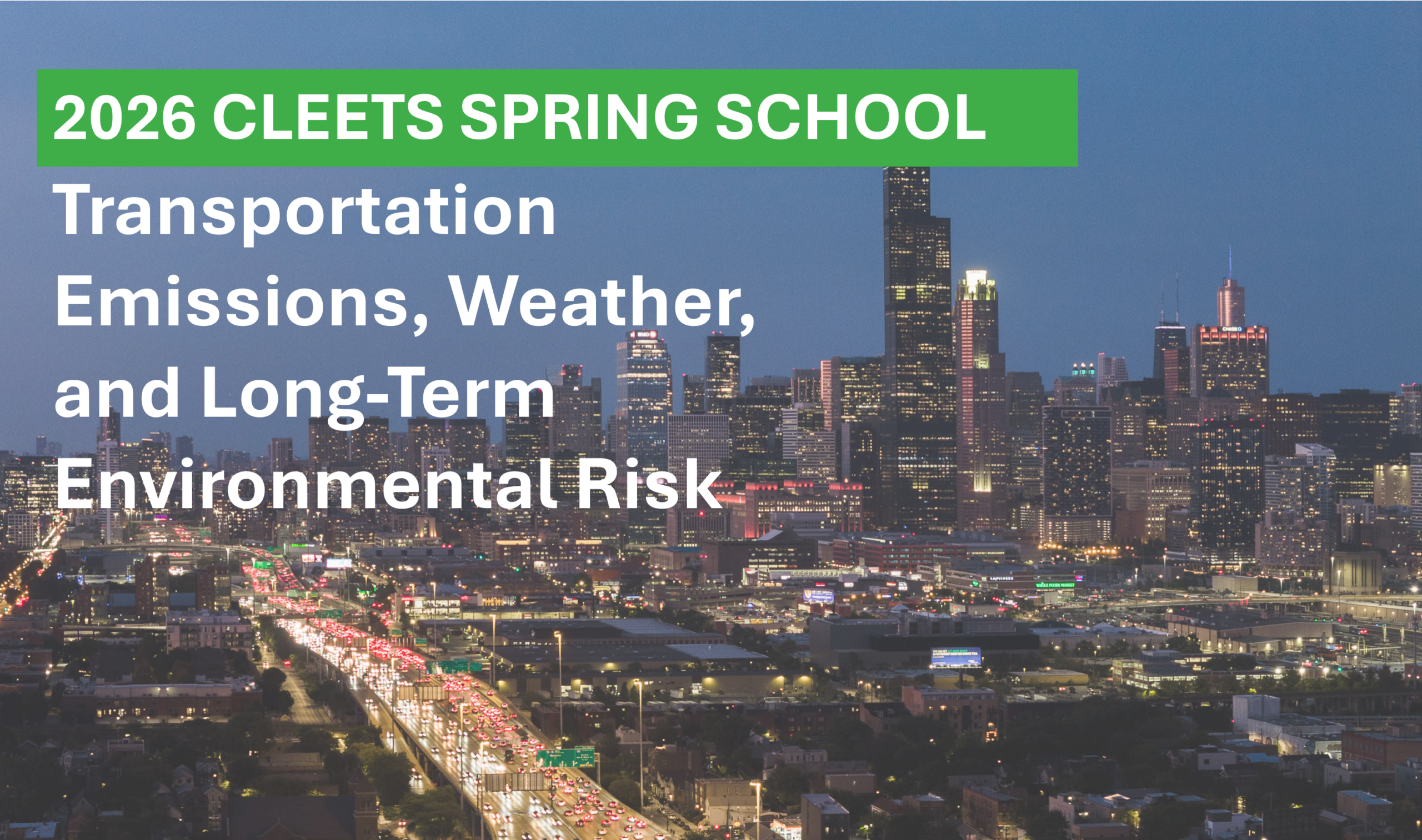
UIC (Chigcao), UIUC (Champaign), UNAM (Mexico City), Cardiff University (Cardiff), Univ. of Birmingham (Birmingham), IIT-B (Mumbai) or Online
2:30 p.m. to 5.30 p.m. in Room 2.26 Abacws Building, Cardiff University, UK
7:00 p.m. to 10.00 p.m. in LH102, L2 Building, IITB, Bombay, India
2:30 p.m. to 5.30 p.m. in Room 214/5 ELM house Building, University of Birmingham, UK
8:30 a.m. to 11.30 a.m. in UTC Conference Room Suite 340, UIC, Chicago IL
8:30 a.m. to 11.30 a.m. in Newmark Civil Engineering Lab, 3rd floor, Conference room 3350, UIUC, Champaign IL
7:30 a.m. to 10.30 a.m. in Sala de Cómputo del Edificio de Docencia en el Instituto de Energías Renovables, UNAM, CDMX, Mexico
Agenda overview:
- Greetings and introductions from CLEETS principal investigators, Drs. Ashish Sharma, Dr. Jonathan Radcliffe and Dr. Rajesh Kumar
- Transportation Emissions & Atmospheric Modeling
- Hands-On: Emissions Data Exploration (ECCAD)
- Environmental Risk, Weather & Atmospheric Change
- Hands-On: Environmental Trends (Climate Inspector)
- Discussion & Key Takeaways
Benefits for Students:
- Students appointed as CLEETS Associates
- Invitation to CLEETS yearly workshop to network with international faculty and industry in the transportation, energy and weather sectors
- Opportunity to travel to UK and US to meet and engage with CLEETS partners
- Certificate on completion of Spring School
- Access to seminars and workshops year round
Click here to register for CLEETS Spring School 2026
Students will learn how road transport emissions can be supported using different energy vectors.
Road transportation emissions are shaped not only by technology and policy, but also by daily weather conditions and long-term environmental shifts. This School introduces students to the connections between weather variability, future environmental risk trends, road emissions inventories, and atmospheric chemistry. Through interactive tools and hands-on exercises, participants will explore how road emissions evolve across regions and how atmospheric conditions influence air quality and chemical transformation.
This session is designed for interdisciplinary undergraduate and graduate students across atmospheric science, engineering, urban planning, policy, and environmental studies.
CLEETS SPRING SCHOOL 2026
Greetings and introductions || 8:30- 11:30 am US Central / 2:30- 5:30 pm UK/7:00-10:00 pm India
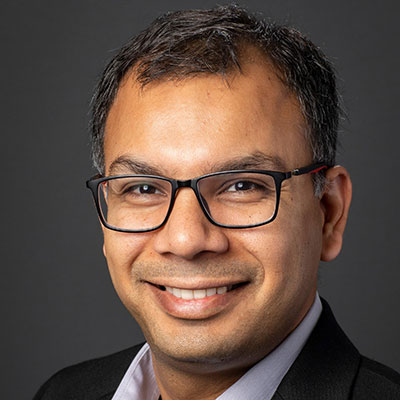
Ashish Sharma, University of Illinois Urbana Champaign, USA
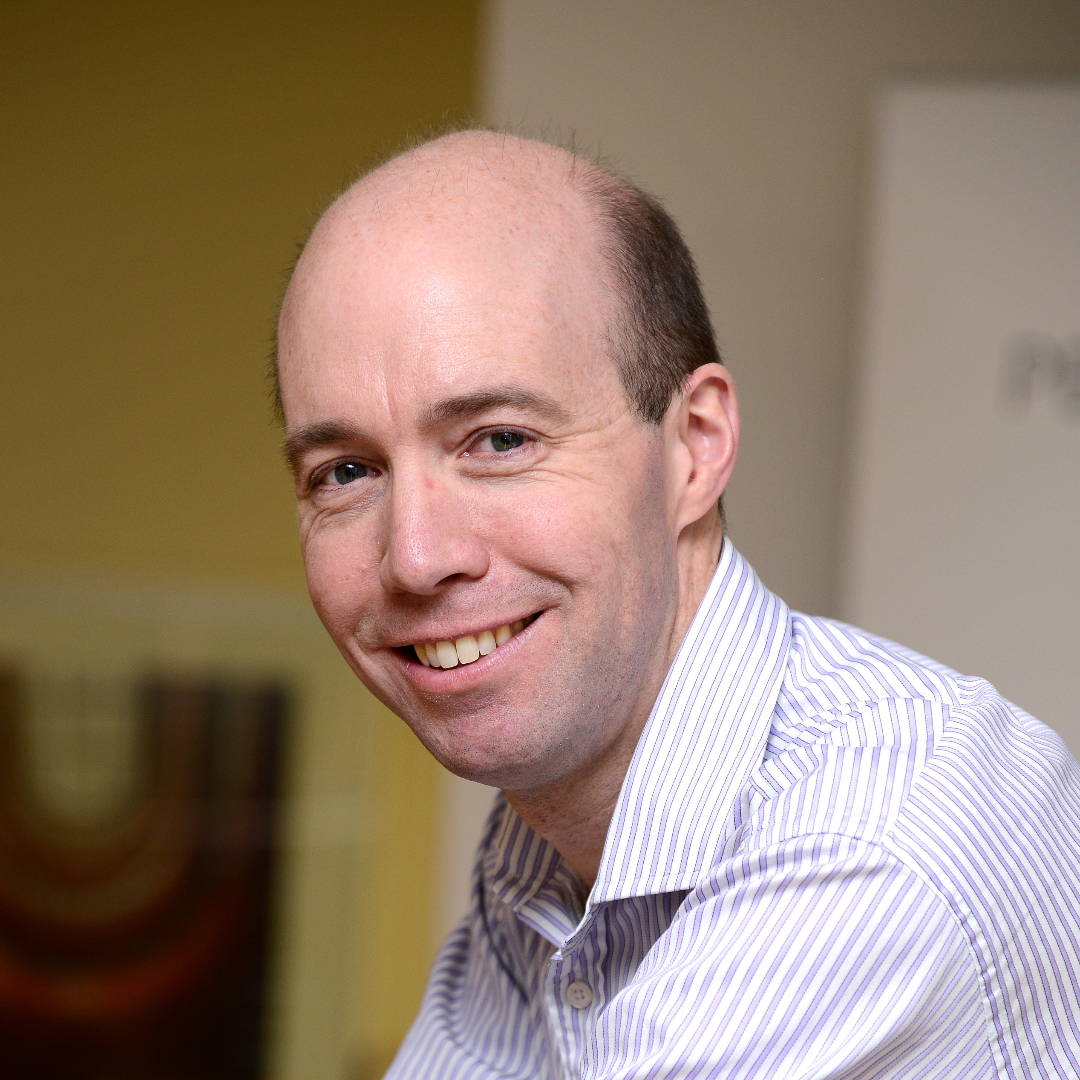
Johnathan Radcliffe, University of Birmingham, UK
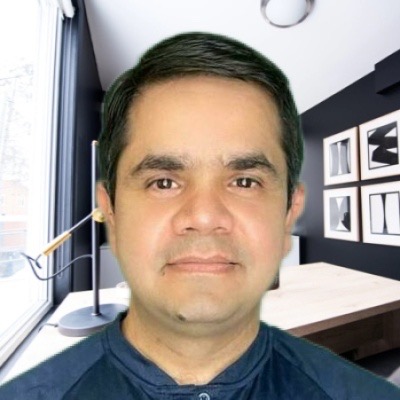
Rajesh Kumar, NSF National Center for Atmospheric Research, USA
Transportation Emissions & Atmospheric Modeling || 8:40 – 9:20 AM CT | 2:40 – 3:20 PM UK | 7:10 – 7:50 PM IST

Karn Vohra, University of Birmingham, UK
Hands-On: Emissions Data Exploration (ECCAD) || 9:20 – 9:50 AM CT | 3:20 – 3:50 PM UK | 7:50 – 8:20 PM IST
Karn Vohra, University of Birmingham, UK
Break || 9:50 – 10:00 AM CT | 3:50 – 4:00 PM UK | 8:20 – 8:30 PM IST
Environmental Risk, Weather & Atmospheric Change || 10:00 – 10:30 AM CT | 4:00 – 4:30 PM UK | 8:30 – 9:00 PM IST
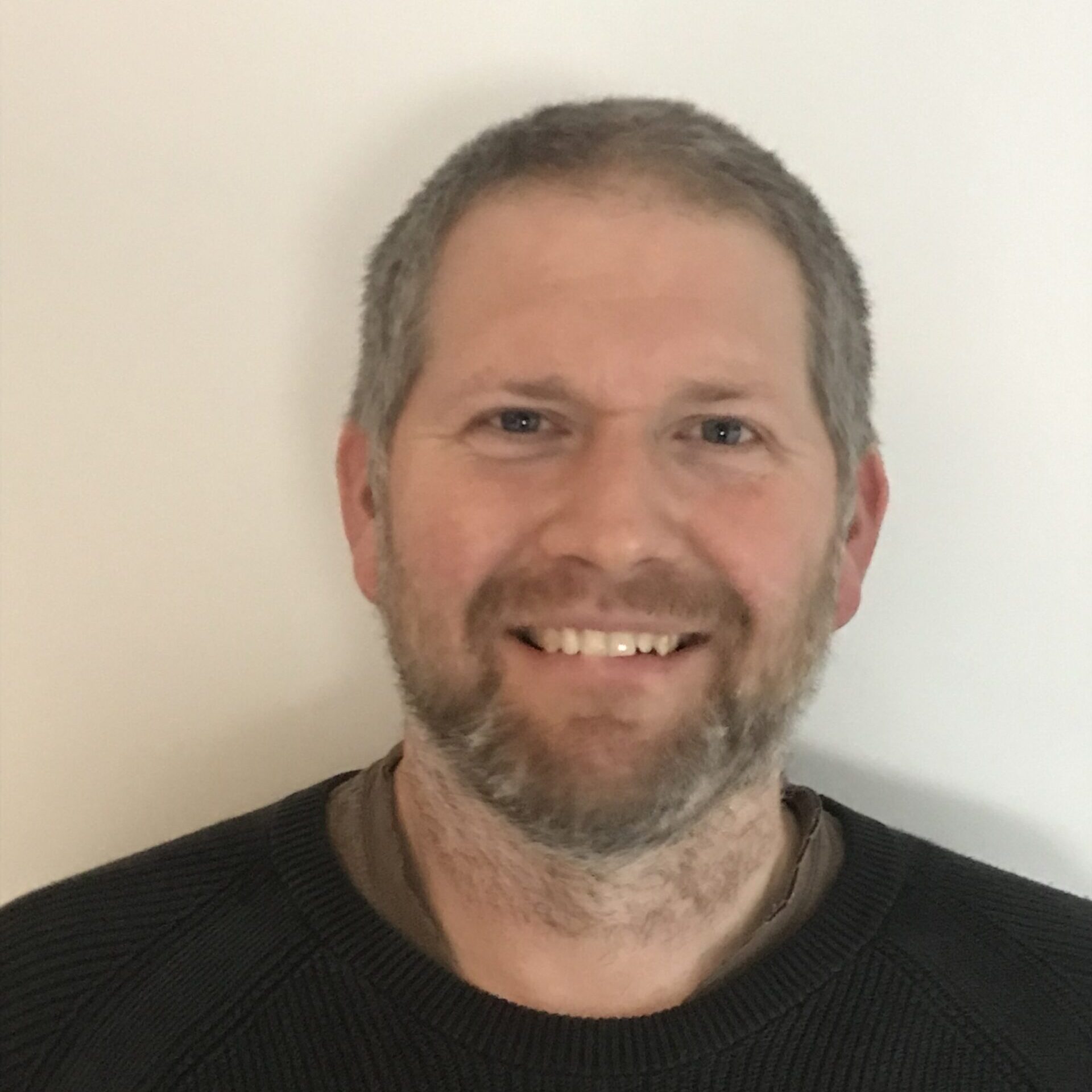
Speaker : Steven Turnock (UK Met Office)
Hands-On: Environmental Trends (Climate Inspector) || 10:30 – 11:00 AM CT | 4:30 – 5:00 PM UK | 9:00 – 9:30 PM IST
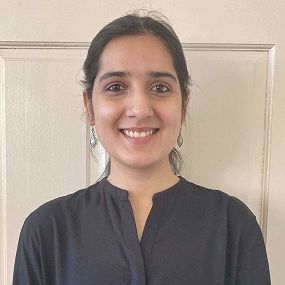
Anjali Sharma, IIT Bombay
Discussion & Key Takeaways || 11:00 – 11:20 AM CT | 5:00 – 5:20 PM UK | 9:30 – 9:50 PM IST
Ashish Sharma, University of Illinois Urbana Champaign, USA
Rajesh Kumar, NSF National Center for Atmospheric Research, USA
Closing & Networking || 11:20 – 11:30 AM CT | 5:20 – 5:30 PM UK | 9:50 – 10:00 PM IST
Ashish Sharma, University of Illinois Urbana Champaign, USA